
Congrats Regulators, You Killed Roomba
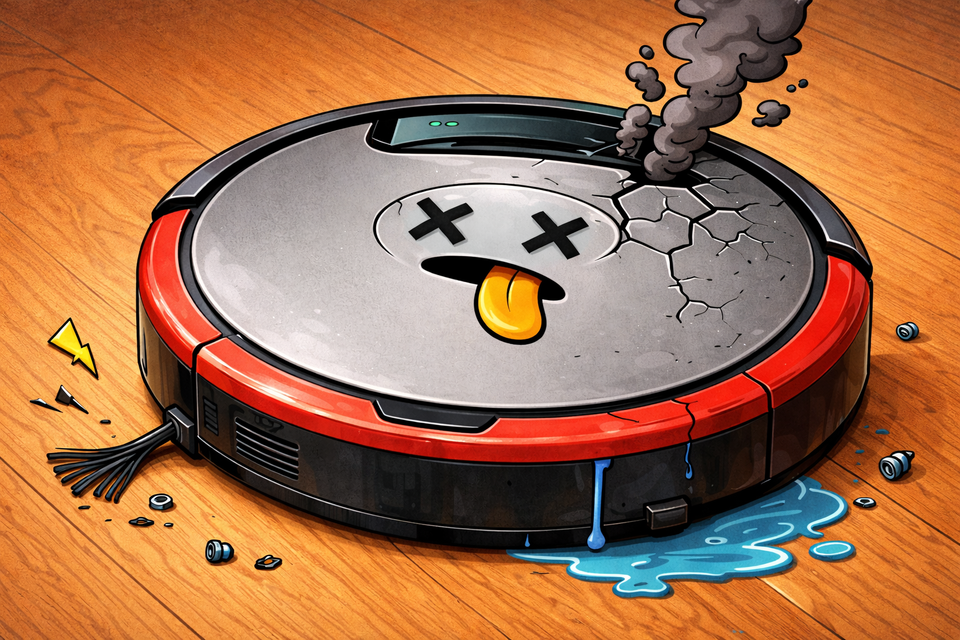
In August of 2022, Amazon announced the acquisition of iRobot, the makers of the popular Roomba robotic vacuum, for $61/share, roughly $1.7B – all cash. On paper, it looked like Amazon was potentially getting a good deal,1 as that price was a bit under half of the peak stock price the company achieved in early 2021. Of course, that was also the peak of the pandemic and with everyone stuck at home, iRobot was a clear and obvious beneficiary.2 By 2022, with lockdown restrictions lifting, iRobot was stuck in the corner when it came to earnings. Amazon, as it turns out, wasn't getting a deal, they were catching a falling knife.
Not so fast, said regulators. A few weeks after the announcement, the FTC, led by Lina Khan, announced they were looking into the deal. The following summer with the FTC investigation still ongoing, the UK's Competition and Markets Authority cleared the acquisition. But almost immediately after, the European Commission launched their own investigation into the deal.
Miraculously, the EC moved far faster than the FTC, and by November of 2023, they issued a formal "Statement of Objections" to Amazon, indicating they believed the deal violated antitrust rules. By January 2024, they were moving to block the deal. As a result, 16 months after the agreement, Amazon dropped the bid.
The FTC never formally weighed in – again, after nearly 16 months of looking into it – but all indications were that they were moving to sue as well, which is undoubtedly what was the actual final straw for Amazon. Well, that and the fact that the iRobot business knife kept falling the entire time. In a way, regulators may have saved Amazon future headaches here – certainly they saved them some money. But they also killed iRobot.
Here's Peter Hoskins reporting for the BBC:
The US firm behind the Roomba smart vacuum cleaner, iRobot, has filed for bankruptcy protection after facing competition from Chinese rivals and being hit by tariffs.
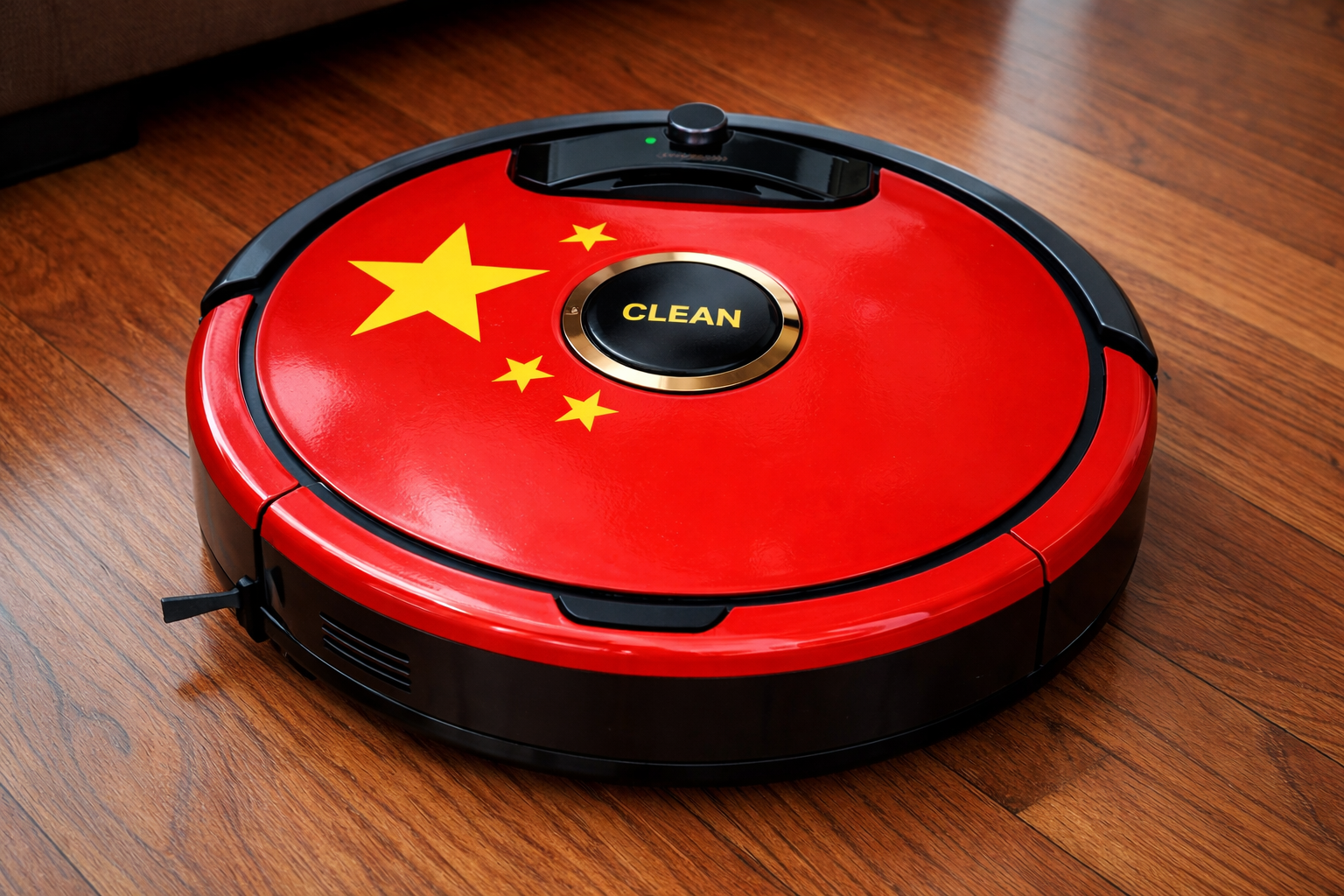
Under the so-called pre-packaged Chapter 11 process, external, the main manufacturer of its devices, Shenzhen-based Picea Robotics, will take ownership of the firm.
Yes, you're reading that correctly, thanks to the EC and with that huge assist from the FTC, an American company was stopped from buying another American company, and as a result, that American company went bankrupt and their assets are now being taken over by a Chinese company.
Great job everyone.
After Amazon dropped their bid, iRobot immediately announced the departure of their CEO and the elimination of over 30% of their workforce in an attempt to stay afloat. The company's stock went from trading in the high-$30/share range (showcasing investor skepticism that the deal, which also had to be renegotiated a bit in those 16 months, was going to get done) to plummeting by more than half overnight. By the time of this bankruptcy, the company had undergone more rounds of layoffs and the stock started trading under $1 a share – giving iRobot a market cap of under $40M – less than half the puny $94M break-up fee Amazon paid when the deal was killed.
So here I am today left wondering why we're not seeing a Lina Khan victory lap, like the one she took when Figma went public after she successfully torpedoed their sale to Adobe. Also, I'm not seeing a Tim Wu op-ed as we often do around these matters. Others who were quick to rage against the living room machines being owned by Amazon were bathing in hypocrisy today. One wonders how Elizabeth Warren is going to vacuum her home now. Probably some cheap Chinese robot vacuum.
There are not a lot of other options...3
My point, as always, is just how badly broken the antitrust review system is, both in the US and in Europe. It's completely ill-equipped to operate in the 21st century, propelled by thinking that not only is overly focused on hindsight, but is often just backwards. And everything coming down the pike with AI is only going to exacerbate the issues further. Regulators have been busy worrying about VR fitness apps and focused on going after Big Vacuum, which has created a big vacuum when it comes to leadership and guidance that actually protects anyone.
Mostly the markets do their thing and remedy such situations without the need for intervention that at best is a distraction, but at worst is, well, this iRobot situation. But the fear would be that they won't in every situation and some sort of regulation will actually be needed. But we now have a very real "boy who cried wolf" situation, where because these government bodies keep going after anything and everything that acquires, looking for the spotlight to further political careers rather than any actual consumer harm, no one believes they'll actually get this right when they need to.
What they do with this Netflix/Warner Bros deal will be fascinating. Certainly, they're going to look at it – again, if nothing else, there's a huge spotlight to be stepped into here – but it's not clear that blocking such a deal wouldn't actually leave everyone – Hollywood included, though they're rage-blinded to it right now – in a worse spot. Maybe not iRobot bad, but leaving Warner Bros not really in any sort of shape to truly compete in the market. I do wonder if Netflix, much like Amazon with iRobot, isn't the would-be savior here. Not a thief in the night.
One more thing: while Khan was quick with that Figma victory lap, with the stock popping (completely unnaturally) out of the gate, yesterday the company's market cap fell to $17B – that's $3B less than Adobe's $20B offer. As Ben Ling notes, the broader markets are up about 50% since that deal collapsed. At the time the deal collapsed, Adobe's stock price – it was a 50/50 cash/stock deal – had doubled from when the offer came in. Great job everyone.
1 There was some initial thought that this deal would bolster Amazon's fledgling robotics division. But in hindsight, that too looks a bit silly compared to the robotics being worked on now in our Age of AI. Maybe Amazon would have gotten some interesting indoor mapping data to help future robotic endeavors – maybe. More likely, Roomba just would have been another Alexa-enabled device to sell. ↩
2 Easy to forget now that the company, started in 1990 by three MIT researchers, at earlier points had built robots that were "deployed with U.S. ground troops, searched the World Trade Center after the Sept. 11 attacks in 2001 and monitored an oil spill in the Gulf of Mexico." ↩
3 There is some hope... ↩